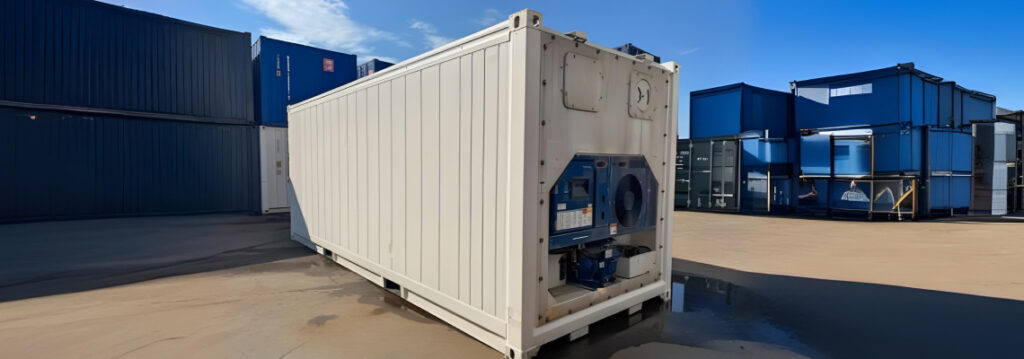
Refrigerated containers play a critical role in protecting temperature-sensitive goods. Companies such as food distributors, pharmaceutical suppliers, and event operations rely on consistent cooling performance to preserve products’ integrity and meet industry compliance requirements.
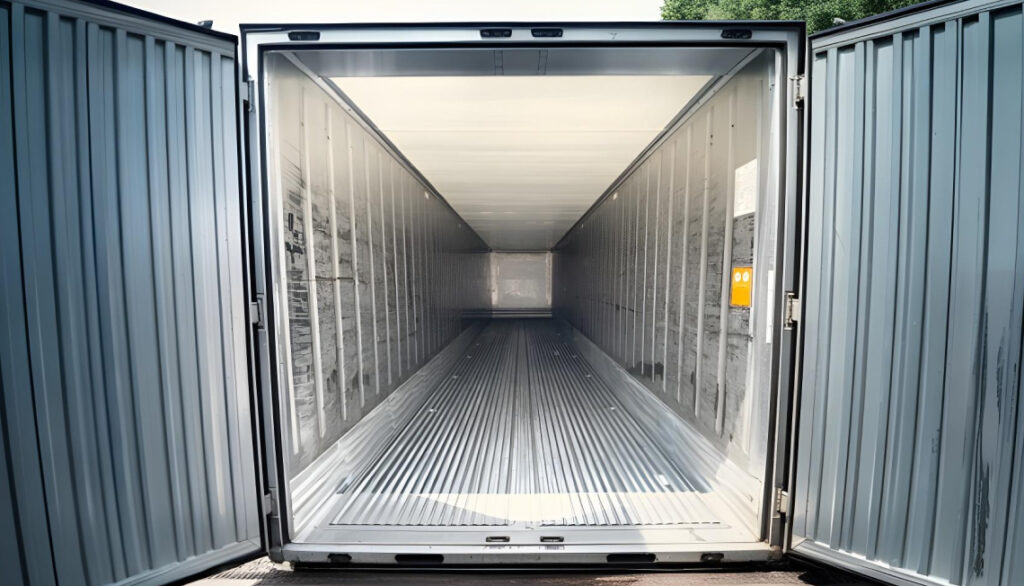
Modern refrigerated containers are designed for durability and precision, typically maintaining temperatures from below -20°F up to 85°F. They operate using 230V 3-phase or 460V 3-phase electrical systems and feature stainless steel interiors, aluminum floors, and integrated refrigeration units. While these units are built for reliability, ongoing maintenance and conscientious operation are essential to keep them performing at their best.
This guide outlines what businesses need to know to maintain, monitor, and operate refrigerated containers effectively.
The Importance of Proper Maintenance and Operations
Refrigerated containers operate with sophisticated systems that combine insulated structures, refrigeration components, airflow management, and electrical controls. Even small oversights, such as clogged filters or blocked airflow, can impact temperature stability and increase energy costs.
A proactive maintenance plan helps your business:
- Maintain consistent internal temperatures
- Reduce the risk of product loss
- Extend equipment lifespan
- Lower operating costs
- Avoid unexpected downtime
Routine inspections and preventive servicing are far more cost-effective than emergency repairs or inventory spoilage.
Answering Your Questions About Refrigerated Container Maintenance
Below are the most common operational and maintenance questions businesses ask when managing refrigerated containers.
What Regular Maintenance Do Refrigerated Containers Require?
Refrigerated containers require both structural and mechanical maintenance.
Routine maintenance tasks typically include:
- Inspecting door seals and gaskets for cracks or wear
- Checking for interior or exterior damage
- Cleaning condenser and evaporator coils
- Verifying proper airflow inside the unit
- Inspecting electrical connections
- Monitoring temperature calibration
- Checking refrigerant levels
It’s also important to inspect the aluminum t-rail floor for debris that may block airflow. Proper airflow beneath pallets is essential for even temperature distribution. Completing a monthly inspection checklist ensures businesses can identify issues early before they impact performance.
How Often Should Refrigeration Units be Serviced Professionally?
While businesses can complete routine visual checks in-house, most suppliers recommend professional servicing every 6 to 12 months, depending on usage intensity and operating conditions.
High-demand operations, such as food distribution centers running units continuously, may benefit from professional inspections two or three times a year. Units used seasonally or for backup storage may require annual service.
Professional servicing often includes:
- Full system diagnostics
- Refrigerant pressure checks
- Compressor performance evaluation
- Electrical system testing
- Calibration of temperature controls
Scheduled servicing reduces the risk of unexpected system failure and helps maintain warranty compliance where applicable.
What are the Signs That a Refrigerated Container Needs Repair?
Early warning signs often appear before a complete breakdown. Businesses should watch for:
- Inconsistent or fluctuating temperatures
- Longer run times from the refrigeration unit
- Unusual noises from the compressor or fans
- Ice buildup beyond normal levels
- Visible refrigerant leaks
- Electrical error codes on the control panel
- Excess condensation inside the container
If temperatures cannot be maintained within the desired range, immediate inspection is necessary to prevent inventory damage.
How Do I Monitor Temperature Inside a Refrigerated Container Remotely?
Remote temperature monitoring has become increasingly common in cold storage operations. Businesses can install:
- Digital temperature data loggers
- Cloud-based monitoring systems
- GSM or Wi-Fi temperature tracking devices
These systems provide real-time temperature readings, alerts for deviations, and downloadable compliance reports. Remote monitoring can especially benefit pharmaceutical storage, food distribution, and operations that run overnight or unattended. When installing remote systems, always check for compatibility with the container’s electrical setup and control system.
What Cleaning Protocols are Necessary for Food-Grade Refrigerated Containers?
Food-grade containers require strict sanitation protocols to prevent contamination. Recommended cleaning procedures include:
- Removing all inventory before cleaning
- Washing interior surfaces with approved food-safe sanitizers
- Rinsing thoroughly to prevent chemical residue
- Cleaning floor channels to remove debris
- Sanitizing door seals and handles
- Allowing the container to fully dry before reloading
Cleaning frequency depends on usage. Users should typically clean food storage units between product cycles or at least monthly for high-turnover operations. For businesses storing raw proteins or perishable goods, more frequent deep cleaning may be necessary to meet regulatory standards.
How Much Does It Cost to Operate a Refrigerated Container Monthly?
Monthly operating costs vary depending on:
- Container size (20-foot vs. 40-foot)
- Ambient outdoor temperature
- Desired internal temperature
- Local electricity rates
- Frequency of door openings
For many businesses, monthly electricity costs can range from a few hundred to over a thousand dollars, depending on operating conditions. Monitoring energy usage and maintaining clean coils and filters can significantly improve efficiency.
What Happens if Power is Lost to a Refrigerated Container?
If power is lost, the refrigeration unit stops cooling immediately. However, due to insulated walls and tight door seals, internal temperatures will not rise instantly.
How quickly temperatures increase depends on:
- Outdoor temperature
- Frequency of door openings
- Initial internal temperature
- Container insulation condition
In moderate climates, temperatures may remain stable for several hours if doors remain closed. In extreme heat, temperature rise can occur much faster.
Planning for power interruption is a critical part of risk management. To prepare for these risks, businesses storing high-value or highly sensitive products often use:
- Backup generators
- Automatic transfer switches
- Alarm systems for power failure notifications
How Do I Prevent Frost Buildup in My Refrigerated Container?
Frost buildup is typically caused by moisture entering the container or improper airflow. To prevent frost accumulation:
- Minimize door openings
- Ensure door seals are intact
- Avoid loading warm, uncovered products
- Maintain proper air circulation inside the unit
- Avoid overloading beyond the airflow design
Some refrigeration systems include automatic defrost cycles. If frost buildup persists, it may indicate a malfunctioning defrost heater or airflow obstruction. Excessive frost can reduce cooling efficiency and strain the refrigeration system.
Can I Perform Basic Refrigerated Container Maintenance Myself?
Yes, businesses can safely perform many basic maintenance tasks, including:
- Cleaning interior surfaces
- Inspecting door seals
- Checking for visible damage
- Monitoring temperature readings
- Keeping condenser coils free of debris
However, licensed professionals should handle tasks involving refrigerant systems, compressor components, or electrical wiring. Improper servicing can damage equipment and void warranties. A hybrid approach that combines routine in-house checks with scheduled professional servicing is typically the most effective strategy.
Best Practices for Long-Term Performance
To maximize the lifespan and efficiency of your refrigerated container, complete this checklist:
- Maintain detailed service logs
- Install remote temperature monitoring
- Avoid overloading inventory
- Schedule seasonal inspections
- Train staff on proper loading and door management
- Plan for backup power solutions
With proper care, refrigerated containers can provide reliable performance for many years while protecting valuable inventory.
Supporting Your Cold Storage Operations
Refrigerated containers are a powerful tool for businesses that depend on consistent temperature control. Understanding maintenance requirements and operational best practices ensure you get the most value and reliability from your cold storage investment.
If your business is evaluating cold storage options or needs guidance selecting the right refrigerated container, Container Technology provides a variety of new and used cold storage solutions, including 20-foot and 40-foot refrigerated containers designed for flexible, on-site use. Request a free quote online or call us today to learn more about our products!