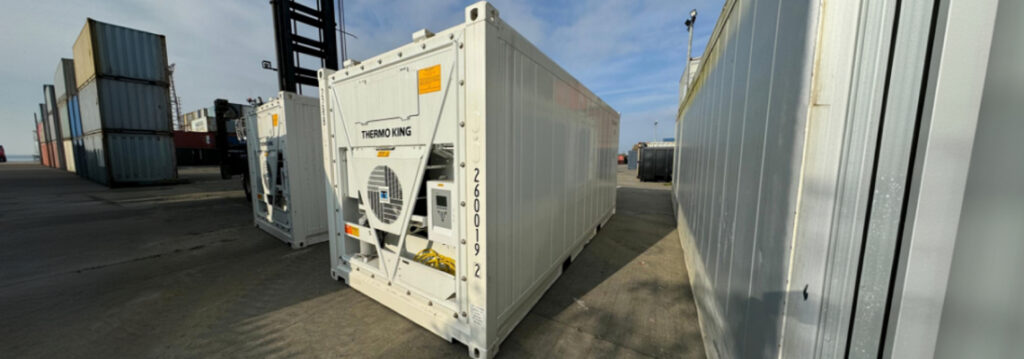
For many businesses, cold storage goes beyond a short-term need and functions as a part of their daily operations. Whether you manage food inventory, protect medical supplies, store floral products, or support temperature-sensitive manufacturing materials, having dependable on-site Atlanta refrigerated containers can significantly impact efficiency and product quality.
Businesses consider refrigerated containers as a practical long-term solution. Also known as reefer containers, these units offer reliable temperature control in a durable, self-contained structure that businesses can place directly on their property. Compared to expanding an existing facility or building a traditional cold room, a refrigerated container can offer a more flexible, achievable path to permanent cold storage.
Are you considering buying a refrigerated container for ongoing on-site use? This guide will break down how these units work, what site conditions matter, and which features are most important before making a decision, allowing you to choose a refrigerated unit with confidence.
Why Businesses Choose Refrigerated Containers for Permanent Use
People often associate refrigerated containers with shipping and transport, but they can also serve as excellent fixed cold storage units. For businesses that need dependable refrigeration every day, a reefer can function like an outdoor walk-in cooler or freezer without requiring major construction.
One of the biggest advantages is flexibility. Businesses can place reefer containers near their building, warehouse, kitchen, or processing area, creating cold storage in a convenient location. They can even be placed inside of your warehouse or building if the site is suitable. This can improve workflow, reduce the distance employees travel to access products, and help free up interior space for other operations.
Reefer containers are also built for demanding environments. Their insulated construction, heavy-duty materials, and integrated refrigeration systems make them ideal for outdoor use across long time periods. When properly selected and installed, they can provide years of reliable cold storage for a wide range of industries.
Understand Your Temperature Requirements First
Before buying a refrigerated container, the first step is to define exactly what you need it to store. Different products have different temperature requirements, and that should guide every other part of the decision.
Some businesses need chilled storage for produce, beverages, dairy products, or flowers. Others require frozen storage for meat, seafood, or prepared food products. Certain pharmaceutical or laboratory materials may require very narrow temperature consistency to stay compliant and usable.
Businesses should always think beyond a broad temperature category and identify the actual operating range they need. It’s also important to consider how often the doors will be opened, how densely items will be packed, and whether products will be loaded warm or already pre-cooled. These factors all affect how the container performs in a permanent-use setting.
Choosing a unit that aligns with your real storage conditions will help protect inventory and support more efficient operation over time.
Choose the Ideal Size for Your Business
Refrigerated containers are commonly available in 20ft and 40ft sizes, and selecting the right one is about more than just fitting as much product as possible inside.
A 20ft reefer can work well for businesses with limited available space or moderate storage needs. It may be ideal for restaurants, small food distributors, healthcare facilities, or retail businesses that need accessible overflow cold storage without taking up too much room on-site.
A 40ft reefer is often better suited for operations with larger inventory volumes or businesses planning for future growth. It can provide more storage capacity and allow for better organization, especially when different product categories need to be separated.
At the same time, a larger unit isn’t best for every business. Oversizing can lead to wasted space, more difficult inventory management, and unnecessary power consumption. It’s worth evaluating both your current needs and expected growth so you can choose a container that supports your operation without overcomplicating it.
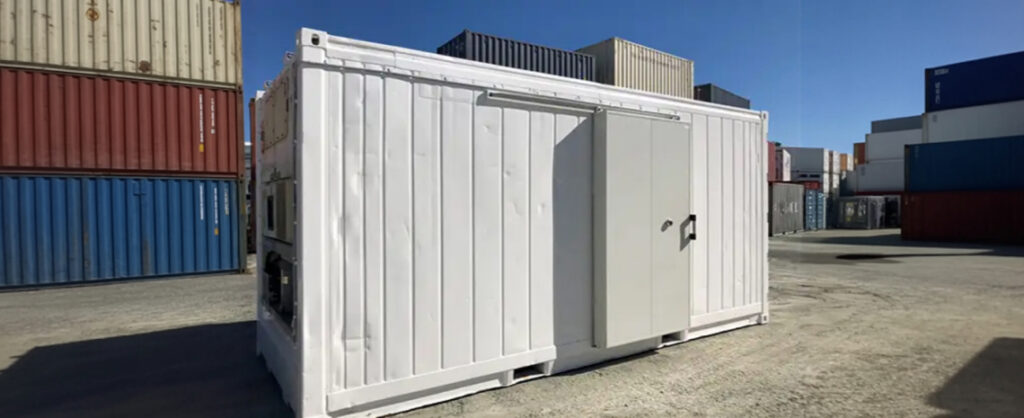
Site Preparation Leads to Long-Term Success
If you plan to use a refrigerated container permanently on your property, pay close attention to site preparation. Even a high-quality reefer can struggle to perform adequately if it is placed in the wrong environment or installed improperly.
The container should sit on a stable, level surface that can support its weight when fully loaded. Common site foundations may include concrete pads, asphalt, or properly prepared gravel, depending on the property and use case. A level installation is especially important because it supports proper drainage and helps the refrigeration system operate as intended.
You will also need to think about access. The unit should be easy for staff to reach during daily use, while still leaving room for the doors to open fully and for products to be loaded in and out. If your team will use pallets or carts, the surrounding layout should support smooth movement.
Airflow around the refrigeration machinery is another crucial consideration. Reefers need adequate ventilation to perform efficiently, so they should not be crowded tightly against walls or other structures. A permanent installation should also account for water runoff, sunlight exposure, and service access for maintenance.
Power Planning Is Essential
Unlike a standard storage container, a refrigerated container depends on a consistent power source to maintain internal temperatures. For permanent on-site storage, electrical planning is one of the most important parts of the process.
Businesses should confirm the unit’s power requirements in advance and make sure the site can support them appropriately. A dedicated electrical connection is typically the most practical setup for long-term use. Proper installation helps protect both the equipment and the products stored inside.
It’s also advisable to think about operational continuity. If the products being stored are highly sensitive, backup power planning may be worth considering. Even a short interruption can create risk depending on the container’s contents and how long temperatures remain outside the required range.
Consider Your Daily Workflow
A refrigerated container may technically have enough room for your inventory, but that does not automatically mean it is the right fit for your operation. Permanent cold storage should make everyday work easier, not more complicated.
For that reason, workflow matters tremendously. Consider how employees will access products, how inventory will be organized, and whether the container needs interior features to support daily use.
You should also consider how often products rotate in and out. A container used for static bulk storage may need a different setup than one used for frequent picking and restocking throughout the day. The more closely the unit matches your workflow, the more value it can provide over the long term.
New vs. Used: What to Consider
Many businesses debating a refrigerated container purchase will compare new and used options. Both can suit your business depending on budget, operating priorities, and expected usage.
A new reefer may appeal to organizations that want the latest equipment, a longer anticipated service life, and a unit with minimal prior wear. For operations where cold storage is central to daily performance, that added peace of mind can be valuable.
A used reefer can serve as a practical option for businesses looking for long-term refrigerated storage at a lower upfront cost. However, condition matters. Buyers should pay close attention to refrigeration system performance, door seals, flooring, and the general structural condition of the container.
For permanent use, the decision should center on reliability. Instead of aiming to simply buy a reefer, businesses should aim to buy one that can consistently support their operation over time.
A Practical Long-Term Cold Storage Solution
Buying a refrigerated container for permanent on-site cold storage can be a smart move for businesses that need reliable temperature-controlled space without the delays and expense of traditional construction. With the right size, proper site preparation, dependable power access, and a layout that supports your workflow, a reefer container can become a durable and efficient part of your operation.
Container Technology offers refrigerated containers for sale in Atlanta in multiple sizes to help businesses create a solution that fits their long-term storage needs. If your business is exploring permanent cold storage, our team can help you evaluate available options and choose a unit that aligns with your operation. Request a free quote online or call us today, and find your business’s perfect refrigerated container!
FAQs About Atlanta Cold Storage
What is a refrigerated container, and how does it differ from a traditional walk-in cooler?
A refrigerated container, also known as a reefer container, is a self-contained, insulated unit with an integrated refrigeration system designed for outdoor placement directly on your property. Unlike a traditional walk-in cooler, it requires no major construction or facility renovation, just a stable surface and a dedicated power connection.
What temperature ranges can refrigerated containers maintain?
Reefer containers can maintain temperatures of below -20°F and up to 85°F. This makes them perfect for anything from chilled storage for produce, dairy, and floral products to frozen storage for meat and seafood. Units can also maintain the narrow, consistent temperature ranges required for pharmaceutical or laboratory materials.
What size refrigerated container does my business need?
The two most common sizes are 20ft and 40ft units. A 20ft container works well for smaller operations or businesses with moderate storage needs, while a 40ft unit better suits higher inventory volumes or businesses planning for future growth. It’s important not to oversize, as this can lead to wasted space and unnecessary energy costs.
What site preparation is required before placing a refrigerated container on my property?
The container should be placed on a stable, level surface, such as a concrete pad, asphalt, or compacted gravel, that can support its fully loaded weight. You’ll also need to ensure adequate airflow around the unit, easy door access for staff, and a dedicated electrical connection to power the refrigeration system.
Should I buy a new or used refrigerated container for permanent use?
Both options can work depending on your budget and priorities. A new unit offers the latest equipment and a longer anticipated service life, while a used unit can deliver solid long-term value at a lower upfront cost. If considering a used container, carefully inspect the insulation, door seals, refrigeration system, and overall structural condition before purchasing.